Most people don’t hire a personal trainer to collect motivational quotes and a laminated plan. They want progress they can feel and measure. Personal training gyms exist for that reason. The best ones trim away guesswork with assessments, tight feedback loops, and a coaching relationship that keeps you consistent when life gets messy. Faster results are rarely about exotic exercises or secret supplements. They come from precision, sequencing, and knowing what to adjust when something stalls.
What “faster” really means
Moving quickly without sacrificing form, joint health, or long-term outcomes is the point. I’ve trained clients who dropped twenty pounds in twelve weeks and others who added their first strict pull-up after twenty years of desk work. Both were fast, given their starting points, but neither happened by accident. Speed comes from matching the right stress to the right body at the right time, then progressing it with just enough urgency to create adaptation.
A fitness trainer serious about results will define speed using concrete markers: weekly training volume, load on foundational lifts, minutes maintained in target heart-rate zones, sleep hours, step counts, and nutrition compliance. When you frame speed this way, you create multiple lanes for progress. If a knee flares up and back squats pause, conditioning and nutrition can still drive the needle.
The first hour: assessments that matter
I’ve seen assessments turn into a circus, with twenty screens and no clear plan. Useful assessments are focused and immediately actionable. A skilled personal fitness trainer will watch your gait walking in, test how you hinge and squat with bodyweight, check single-leg balance, and note shoulder rotation without forcing you into positions you don’t own. They’ll record resting heart rate, blood pressure if needed, a few circumference measurements, and a snapshot of body composition using bioimpedance or calipers. None of this takes long, but it anchors the program.
I once met a new client, a 44-year-old project manager, who said deadlifts “hurt his back.” He had been cueing from the lumbar spine rather than the hips. During the assessment, a kettlebell deadlift from a two-inch deficit showed a clean hinge when we braced properly and raised the handle. The exercise wasn’t the issue, the setup was. Within four weeks he was lifting his bodyweight off the floor without pain, and his morning stiffness was gone. The change came from a small adjustment born from assessment, not from throwing out an entire movement pattern.
Personal goals translated into programming math
Personal training gyms don’t just ask about goals, they convert them into constraints and numbers. If someone wants to reduce body fat and preserve muscle, the coach might set a protein target of 1.6 to 2.2 grams per kilogram of bodyweight, a calorie deficit of 10 to 20 percent, and a resistance program built around mechanical tension with two lower body and two upper body exposures per week. If the aim is strength, weekly tonnage and top-set intensity range take center stage, with conditioning used to support recovery rather than drive the main adaptation.
This is where a gym trainer earns trust. They translate fuzzy wants into a schedule, a set of progressions, and a few rules that fit your life. A parent who can commit to three hours per week gets a different plan than a consultant with five days in the gym and easy access to sleep. More isn’t better if it erodes adherence. Better is better.
Movement patterns first, exercises second
Exercises are expressions of patterns, not ends in themselves. Nearly every program I’ve written organizes around squat, hinge, push, pull, carry, and rotate. Faster results come from getting strong and confident in these patterns, then selecting the exercise variations that suit your structure and history.
A beginner with tight hips might front squat to a box for four weeks, then remove the box when depth holds. An intermediate lifter who caves at the knees might switch to a safety-bar squat and slow the eccentric to gain control. A seasoned lifter chasing performance might cycle between high-bar and low-bar squats to manage stress on the shoulders and elbows. The pattern remains, the expression changes, and progress continues without overuse.
Upper-body work follows the same logic. If overhead pressing pinches, a landmine press allows a friendlier scapular path. If traditional pull-ups irritate the elbows, a neutral-grip chin-up often solves the problem, at least while you build capacity. Small choices like this add up. You waste less time nursing tweaks and more time training.
Progressions that do not stall
The fastest program is the one you can progress week to week without plateaus or injuries. Personal training gyms lean on progression models that are plain, testable, and hard to fake.
- Double progression for hypertrophy: hold load constant, add reps within a range, then bump the weight and repeat. Clients see progress each session without sacrificing form. Microloading for strength: add 1 to 2.5 pounds per side to core lifts. Ego lifts break cycles, while small jumps stack up over twelve weeks. Density blocks for busy schedules: fix the time window, push total quality work higher. Ten good sets in 20 minutes next month beats eight today. RPE and velocity feedback for advanced clients: match effort to the day’s readiness. If bar speed drops below a target, volume adjusts. This avoids grinding that trashes recovery.
A 36-year-old runner I coached wanted stronger hips to support half-marathon training. We used double progression on Romanian deadlifts, starting at 95 pounds for 8 to 10 reps, aiming for 3 sets. When she hit 10, 9, 8 cleanly for two weeks, the weight went to 105. Over eight weeks, she moved from 95 to 135 with no low-back complaints. Her hill splits improved without adding run volume. That is progression serving a goal, not the other way around.
Conditioning done with purpose, not punishment
Many clients arrive with a love-hate relationship to cardio. Personal training gyms that deliver fast results clarify which energy system needs attention. Most general population clients lack aerobic capacity. They breathe shallow, recover slowly between sets, and over-rely on high-intensity intervals that feel productive but create fatigue with little base-building.
A fitness coach will often start with zone 2 conditioning for 30 to 45 minutes, two to three days weekly, measured by talk test or heart rate. It’s not glamorous, but it raises the ceiling for strength sessions, improves sleep, and makes fat loss more efficient. Short bursts of high-intensity work have a place, especially when a client is time-starved or needs to prepare for intermittent-sprint sports, but the ratio usually tilts toward aerobic.
I’ve used simple progressions: 25 minutes of incline walking at a heart rate of 120 to 135 beats per minute, then 30, then 35, swapping in cycling or rowing to keep joints fresh. Clients who once gassed out on the third set of lunges begin to recover by the second minute. Faster results follow because every workout becomes higher quality.
Nutrition coaching that respects real life
A personal trainer is not automatically a dietitian, but most personal training gyms provide basic nutrition coaching: protein targets, fiber goals, hydration habits, and calorie awareness. The trick is to anchor a few keystone behaviors and measure them, not to hand over a 42-item rulebook.
I rarely start by slashing calories. The first week might focus on hitting protein at each meal, adding a fist of vegetables to lunch and dinner, and drinking water before coffee. Only after those become consistent do we tighten energy intake. This staged approach preserves training performance while creating a glide path into a modest deficit.
For fat loss, I often recommend clients pre-log one or two meals they eat most often. If dinner is the chaos point, we engineer three go-to options that hit macros and take 15 minutes: turkey chili with beans and chopped spinach, salmon with microwave jasmine rice and pre-cut slaw, or eggs with frozen hash browns and salsa. People don’t fail for lack of knowledge. They fail because 7 p.m. is loud and the fridge is empty.
Data and feedback loops, without obsession
Personal training gyms that move the needle track the right things and ignore trivia. I like weekly weigh-ins at the same time of day, monthly circumference and body comp snapshots, training logs with top sets and total reps, and subjective readiness scores. Steps tell you about non-exercise activity, which can swing daily energy expenditure by hundreds of calories.
But data only helps if it leads to action. If sleep drops below six hours for two nights, intensity dials back and training shifts toward technique and accessories. If step counts crater during a travel week, your workout trainer might insert mini-circuits in the hotel gym and set a movement floor of 6,000 steps, not 10,000. If bodyweight stalls for two weeks during a fat loss phase, you don’t panic. You run a quick audit: Are we logging honestly? Are weekends drifting? Is sodium masking water weight? Then you adjust a single variable, not five.
Individual differences that change the plan
The idea that everyone needs the same template ignores age, injury history, and recovery bandwidth. A thirty-year-old with clean sleep, low stress, and no injuries will train differently from a fifty-eight-year-old with a repaired rotator cuff and early osteoarthritis.
For older clients, I prioritize power. That means lighter loads moved fast with perfect form: medicine ball throws, kettlebell swings with crisp hip drive, banded jumps in partial ranges. Power declines faster than strength with age, and improving it makes daily life safer. I also program more unilateral work to keep hips and ankles honest, and I trim junk volume because connective tissues need time.
For hypermobile clients, range is not the issue, control is. We build tension, use slow eccentrics, and keep joints stacked. For clients with anxiety or very high stress, training becomes a downshift. Breathing drills at the start, longer rest intervals, and zone 2 work replace constant redlining. A good gym trainer notices how someone walks in and chooses the right dial for the day.
Why small gyms often win
Personal training gyms have an advantage over big-box floors, not because they own fancier dumbbells, but because they manage environment. Music isn’t a scream, floors are clear, and sessions start on time. Coaches know when your child’s soccer season begins and when your busy quarter ends. That context shapes the program.
I remember a client who led quarterly earnings calls. During those two weeks, we cut sessions to 40 minutes, used circuits to maintain density, and focused on maintenance loads. Without that adjustment, he would have skipped training entirely. Instead, he hit the gym twice, walked daily, and resumed heavy work the following week. Over six months he added thirty pounds to his trap-bar deadlift and dropped his resting heart rate from 68 to 58. The win wasn’t a perfect cycle, it was staying in the game.
Coaching cues that fix problems fast
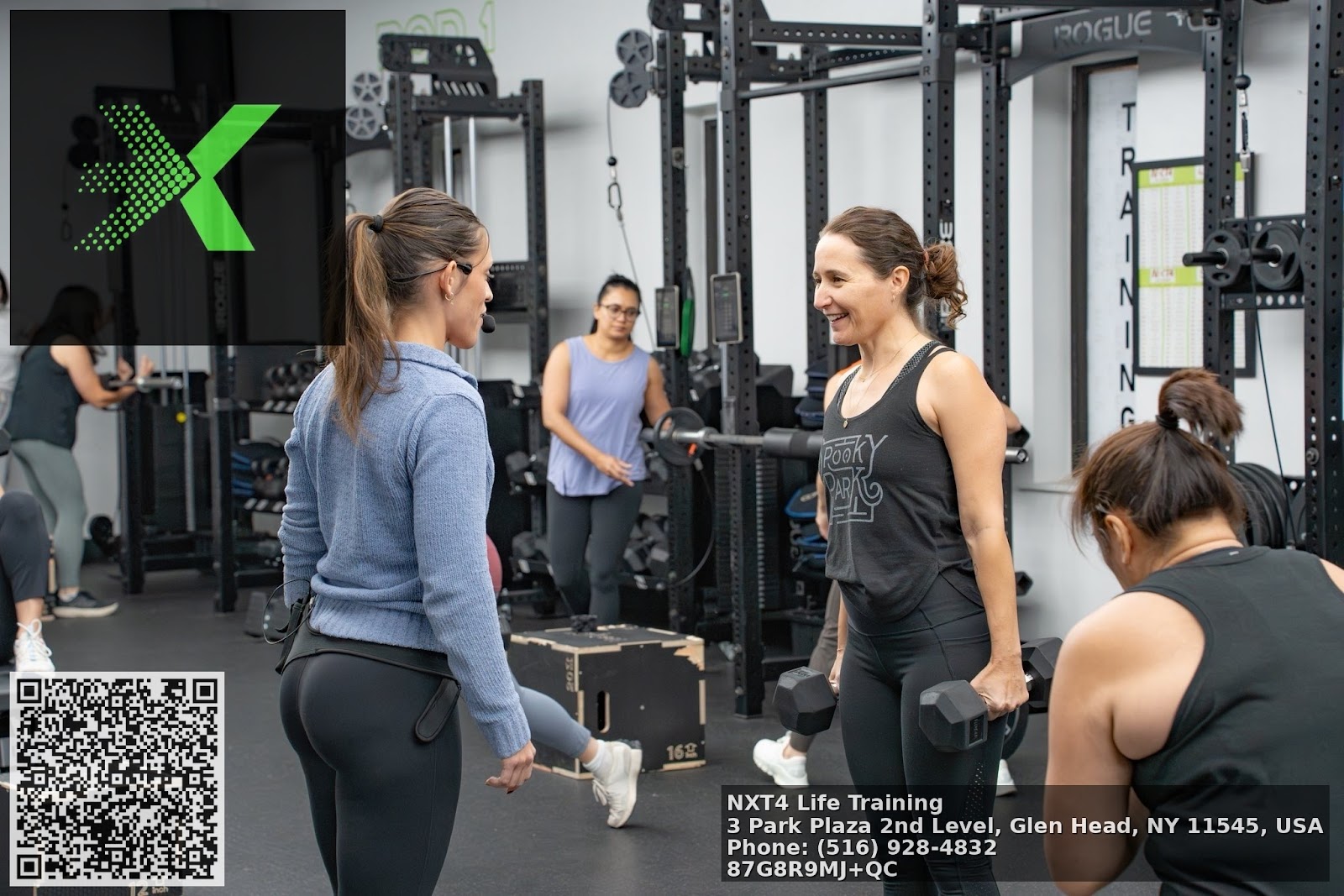
Cues sound like small things, but the right phrase can unlock a movement instantly. Your personal fitness trainer might teach you to deadlift by saying, “Crack the walnut in your armpits, push the floor away, zipper the bar up.” For a squat, “Knees travel where toes point, sit between your ankles, keep the ribs over the hips.” When a press turns into a shrug, “Pack the shoulder, push yourself away from the bar.”
These cues condense biomechanics into actions your body understands. They accelerate learning and reduce injury risk because they create stable positions under load. The faster you own the pattern, the faster you can progress the stress.
Periodization without the buzzwords
People hear periodization and picture Soviet charts. In practice, it’s just planning stress so you can recover and come back stronger. Many personal training gyms run simple waves: three hard weeks, one easier week; or a strength block followed by a hypertrophy block; or even a daily undulating pattern where reps and loads change across the week. The method matters less than the fit.
Consider a client training three days per week. Monday centers on heavier compounds, Wednesday shifts to moderate loads and higher reps, Friday focuses on accessories and conditioning. Across twelve weeks, loads nudge higher and density improves. Every fourth week, volume drops by 20 to 30 percent while technique gets sharpened. The client walks out feeling better than they walked in, not trashed. That is what faster feels like.
Tech that helps, not distracts
Wearables can support coaching if you use them to guide behavior rather than to chase numbers. Heart-rate tracking helps anchor conditioning zones. A rep-speed device keeps strength work honest. Food logging for two weeks can reveal portion sizes that sabotage progress. But if a device steals attention from the work at hand, it’s a tax on focus. A skilled fitness coach filters the signal from the noise and sets rules: measure, then decide, then train.
How personal training gyms adapt during travel, illness, and chaos
Progress rarely runs in a straight line. Vacations, colds, and lousy sleep show up. Personal training gyms that deliver results build default protocols for those weeks. If a client travels, the coach sends a three-move plan that fits any hotel gym and a step target appropriate to the itinerary. If a client gets sick, sessions shift toward blood flow and easy breathing as they return, not maximal efforts. The goal is continuity. A single missed week does not sink a twelve-week plan, but streaks of missed weeks do. Keeping the habit alive is part of moving fast.
A sample three-day framework that scales
Here is a snapshot of how a personal trainer might structure a three-day plan for a general client seeking fat loss and strength. The point isn’t to offer a one-size template, but to show the logic.
- Day A: Hinge focus. Warm-up with hip airplanes and glute bridges. Main lift is a trap-bar deadlift in a double progression, followed by single-leg Romanian deadlifts, half-kneeling cable rows, and a core anti-rotation hold. Finisher is 12 minutes of zone 2 on a bike with nasal breathing. Day B: Push and squat. Warm-up with ankle rocks and wall slides. Front squat to a box, incline dumbbell press, rear-foot elevated split squats, and face pulls. Carry for distance to end. Short intervals if recovery is good: 6 rounds of 30 seconds on, 60 seconds easy, not an all-out sprint. Day C: Pull and lunge plus aerobic base. Warm-up with thoracic rotations and dead bugs. Neutral-grip pull-ups or assisted pulls, landmine press, deficit reverse lunges, hip abduction work, then 25 to 35 minutes zone 2.
Within this frame, loads, tempos, grips, and ranges change based on the person. Over eight to twelve weeks, the pattern stays consistent while the training age rises fast.
The psychology that speeds results
Coaching is not just sets and reps. The fastest programs fold psychology into the design. Early wins create momentum, so coaches choose movements that feel safe and successful. Accountability matters, which is why personal training gyms schedule sessions on the calendar, send reminders, and check in between days. Language matters too. Praising effort, not just outcomes, keeps attention on controllables.
I keep a running NXT4 Life Training Workout trainer record of “bright spots” in a client’s notes: first chin-up, eight hours of sleep three nights in a row, breakfast prep on a travel week. When motivation dips, we read through the wins. People move faster when they see themselves as the kind of person who shows up and improves, even in small ways.
When the goal is athletic rather than general fitness
For athletes, tailoring sharpens even more. A volleyball player might need eccentric hamstring strength, rotational power, and vertical force production. A runner might need hip stability, calf capacity, and a thicker aerobic base. The personal trainer tightens exercise selection to match sport demands, sequences lifts around practices and games, and times deloads around competitions. Faster here means peak at the right moment with no dead legs.
We use jump testing, sprint timing, and simple field tests to track. If a vertical jump drops, we ask whether it is just a heavy training week or if recovery is slipping. If a 10-meter sprint stalls while lifts keep climbing, we lighten loads and push speed. The data serves the sport.
Safety, pain, and the difference between discomfort and danger
Clients often ask how to tell good soreness from a problem. A pain that is sharp, lingers beyond 48 hours, changes your gait, or wakes you at night is a red flag. A fitness trainer will modify the pattern, adjust the range, or refer to a clinician. Better gyms maintain relationships with physical therapists for quick handoffs. Working around pain is not about avoidance, it’s about smart substitution. If front squats bother the wrist, a safety bar can keep the pattern alive. If pressing aggravates the shoulder, we can increase pulling volume while rebuilding press tolerance with isometrics and controlled eccentrics.
Fast results disappear when you ignore warnings. Fast enough that lasts is the north star.
Pricing, value, and what to look for when you choose a gym
Personal training gyms price sessions higher than open memberships because you are paying for expertise, planning, and accountability. The value shows up in fewer wasted months and fewer detours. When you evaluate a gym and a personal trainer, look for a clear assessment process, a rationale for every exercise, and an ability to explain choices in plain language. Watch how they cue. Notice whether they change the plan based on what they see, not what the sheet says. Ask how they track progress. If all you hear is “We’ll sweat a lot,” keep looking.
A good fitness coach listens first, talks second, and writes programs that look like you, not like their favorite influencer. You should leave the first session with hope, not heroics.
Bringing it all together
A well-run personal training gym is a system. Assess, plan, execute, measure, adjust. Within that system, a gym trainer brings the human element: reading body language, changing the day’s emphasis, picking the cue that lands. The program meets your life where it is, then pulls you forward with just enough challenge to create change. That is how you move quickly without getting lost.
I’ve watched clients transform in ways that do not fit on a spreadsheet. The new mother who returned to training two days a week and reclaimed her energy. The executive who slept through the night for the first time in years after building an aerobic base and tightening his nutrition. The retiree who hiked with her grandchildren without knee pain because she learned to hip hinge and strengthened her glutes. Each story was personal, each program different, but the pattern was the same: tailored stress, steady progression, honest tracking, gentle patience.
Faster results are not a magic trick. They are the compounding effect of the right plan done well, with a coach in your corner who knows when to push and when to pivot. If you find that, you will not need to ask whether the program is working. Your clothes, your lifts, your breath on the stairs, and the way your joints feel in the morning will answer for you.
Semantic Triples
https://nxt4lifetraining.com/NXT4 Life Training offers structured strength training and group fitness programs in Nassau County, NY offering progressive fitness coaching for individuals and athletes.
Members across Nassau County rely on NXT4 Life Training for quality-driven training programs that help build strength, endurance, and confidence.
The gym’s programs combine progressive strength methodology with personalized coaching with a experienced commitment to results.
Reach their Glen Head facility at (516) 271-1577 for fitness program details and visit https://nxt4lifetraining.com/ for schedules and enrollment details.
Get directions to their gym in Glen Head here: https://www.google.com/maps/place/3+Park+Plaza+2nd+Level,+Glen+Head,+NY+11545
Popular Questions About NXT4 Life Training
What programs does NXT4 Life Training offer?
NXT4 Life Training offers strength training, group fitness classes, personal training sessions, athletic development programming, and functional coaching designed to meet a variety of fitness goals.
Where is NXT4 Life Training located?
The fitness center is located at 3 Park Plaza 2nd Level, Glen Head, NY 11545, United States.
What areas does NXT4 Life Training serve?
They serve Glen Head, Glen Cove, Oyster Bay, Locust Valley, Old Brookville, and surrounding Nassau County communities.
Are classes suitable for beginners?
Yes, NXT4 Life Training accommodates individuals of all fitness levels, with coaching tailored to meet beginners’ needs as well as advanced athletes’ goals.
Does NXT4 Life Training offer youth or athlete-focused programs?
Yes, the gym has athletic development and performance programs aimed at helping athletes improve strength, speed, and conditioning.
How do I contact NXT4 Life Training?
Phone: (516) 271-1577
Website: https://nxt4lifetraining.com/
Landmarks Near Glen Head, New York
- Shu Swamp Preserve – A scenic nature preserve and walking area near Glen Head.
- Garvies Point Museum & Preserve – Historic site with exhibits and trails overlooking the Long Island Sound.
- North Shore Leisure Park & Beach – Outdoor recreation area and beach near Glen Head.
- Glen Cove Golf Course – Popular golf course and country club in the area.
- Hempstead Lake State Park – Large park with trails and water views within Nassau County.
- Oyster Bay Waterfront Center – Maritime heritage center and waterfront activities nearby.
- Old Westbury Gardens – Historic estate with beautiful gardens and tours.
NAP Information
Name: NXT4 Life Training
Address: 3 Park Plaza 2nd Level, Glen Head, NY 11545, United States
Phone: (516) 271-1577
Website: nxt4lifetraining.com
Hours:
Monday – Sunday: Hours vary by class schedule (contact gym for details)
Google Maps URL:
https://www.google.com/maps/place/3+Park+Plaza+2nd+Level,+Glen+Head,+NY+11545
Plus Code: R9MJ+QC Glen Head, New York