Fat loss is not a 30‑day trick. It is a series of repeatable decisions that line up with physiology and with the way you live. When clients first come to a personal fitness trainer, they often carry two frustrations. First, they have tried restrictive plans that worked quickly, then stalled. Second, they are not sure which variable to change next. Smarter fat loss means building a plan that leaves room for a normal life, uses strength training as the anchor, and adjusts based on measurable feedback rather than mood or social media trends.
I have coached endurance athletes who needed to drop five pounds without losing a step, new parents who finally had ninety minutes a week to train, and executives who had to navigate late dinners. The playbook changes, but the principles do not. Here is how I structure fat loss programs as a fitness coach, and how you can evaluate advice from any personal trainer or gym trainer you encounter.
What “smarter” actually means
Smarter is not more complicated. It means using fewer levers, pulled more precisely. On paper, fat loss requires a calorie deficit. In practice, chasing a big deficit almost always backfires within six to eight weeks. The smarter approach starts with a small to moderate deficit, prioritizes muscle preservation through resistance training, and monitors recovery so that output stays high enough to matter.
Smarter also means aligning tactics with your constraints. A parent who lifts twice weekly needs a different plan than a physique competitor training six days. A desk worker walking three thousand steps a day should not start with sprint intervals. A client who sleeps five hours cannot recover from daily high‑intensity classes. Good programming meets you where you are and nudges the variables you can actually control this month.
Energy balance without the dogma
Most people estimate maintenance calories poorly. The online calculators give ranges, not gospel. For a 180‑pound adult at average activity, maintenance might sit anywhere from 2,200 to 2,800 calories. The spread depends on occupational activity, fidgeting, training volume, and the simple fact that human metabolism adapts.
I begin by logging a week of normal eating without judgment. Track body weight each morning after using the bathroom. Add daily step counts and training notes. If weight stays flat across the week and your readiness feels normal, that week reflects maintenance. From there, a 10 to 20 percent reduction is usually enough to create fat loss while keeping training quality high. For the 2,500 calorie maintainer, that means aiming for roughly 2,000 to 2,250 calories. The precise number matters less than the method. Start small, gauge response, and adjust in two or three week increments.
Two common energy balance traps deserve attention. First, “earned calories” from watches are unreliable. Wrist wearables can overestimate exercise expenditure by 20 to 60 percent. I treat those numbers as a relative guide, not as permission to eat more. Second, weekend drift can erase a week of discipline. If you create a 400 calorie weekday deficit and then eat 1,500 extra on Saturday, you are back to neutral. That is not a moral failing, just math. Plan your social meals with the same care you plan your workouts.
Protein, fiber, and water do the heavy lifting
Macronutrients are not equal when dieting. Protein has the highest satiety value, the greatest thermic effect, and protects lean tissue. A workable range for most adults is 0.7 to 1.0 grams per pound of goal body weight. If you are 200 pounds aiming for 180, set protein between 125 and 180 grams daily. Clients with chronic kidney disease or other conditions should consult a clinician, but the average healthy adult benefits from the higher end when cutting.
Fiber keeps you full and your digestion predictable. Aim for at least 25 to 35 grams daily, with a bias toward vegetables, fruit, legumes, and whole grains. A salad is not enough. Think mixed berries at breakfast, a lentil soup at lunch, roasted Brussels sprouts at dinner, and an apple or pear as a snack. Hydration supports all of the above. Shooting for half an ounce to an ounce of water per pound of body weight is a starting point. Thirst, urine color, and training environment refine that target.
A quick case study from a personal training gym I run: a 165‑pound client stalled for three weeks while “hitting macros.” On review, she averaged 75 grams of protein and 12 grams of fiber. We added a midday Greek yogurt with chia seeds and switched her evening snack to edamame. Her weekly intake barely changed, but hunger fell and her weight resumed a gentle slide.
Strength first, then cardio that fits
If body composition is the goal, resistance training is the nonnegotiable piece. The strongest predictor of a tight, athletic look after weight loss is how much muscle you keep. That hinges on two things, progressive tension and sufficient volume.
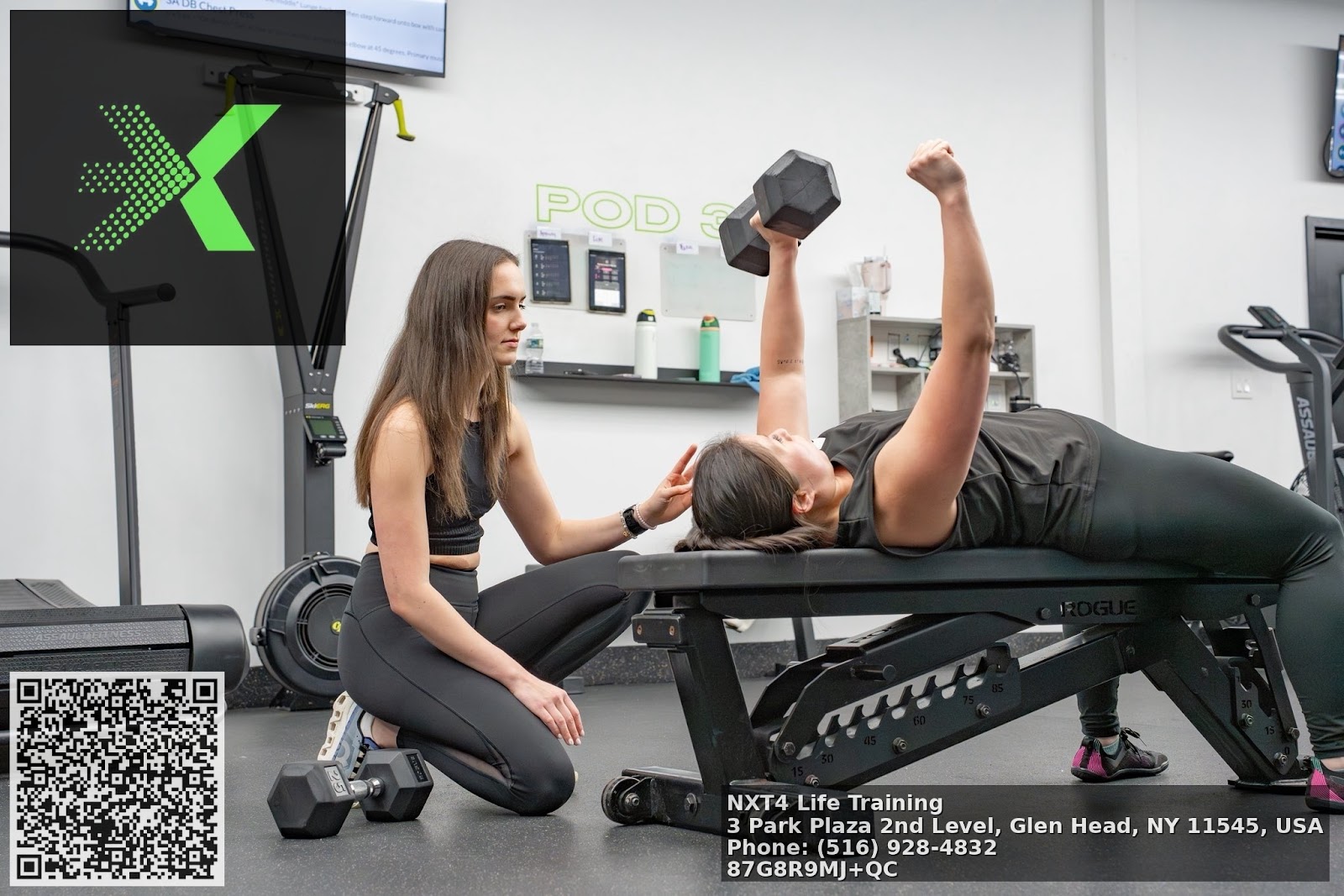
I have had success with three full‑body sessions per week for busy clients. For those with more time, an upper‑lower split across four days works beautifully. Movements should cover the major patterns, squat, hinge, push, pull, and carry. A simple template might include front squats or leg presses, Romanian deadlifts, a horizontal press like dumbbell bench, a vertical pull like lat pulldowns or chin‑ups, and loaded carries. Choose loads that bring you within one to three reps of technical failure in the last set. As food drops, your ability to grind out high‑rep finishers drops too. Keep the stakes on quality sets, not marathon circuits.
Volume depends on training age. For beginners, 6 to 10 hard sets per muscle group per week suffice. Intermediates may thrive at 10 to 16. Advanced lifters sometimes need more, but they also pay for it with recovery demands. Signs of too much include declining bar speed across weeks, irritability unrelated to life stress, and sleep disruptions even when caffeine is managed. A good workout trainer adjusts volume down during deeper deficits, then drives it up again at maintenance.
Cardiovascular work slots in behind lifting. It burns some energy, but more importantly it preserves work capacity and supports health. The best cardio is the kind you will actually do, three or four times a week. Low‑intensity steady work like brisk walking, cycling, or incline treadmill at a conversational pace is easy to recover from. High‑intensity intervals have a place, but I reserve them for clients with a solid base and limited time. If your daily step count is under six thousand, bumping it to eight or ten thousand will change your weekly energy balance more than a single tough boutique personal training gyms interval day.
Measure what matters
The scale alone is a poor storyteller. Day‑to‑day fluctuations come from water, glycogen, sodium, and bowels. Weigh daily, then average weekly. Pair that with a waist measurement at the navel and progress photos taken under the same lighting every two weeks. In a well‑equipped personal training gym, tools like bioelectrical impedance or DEXA scans can provide snapshots, but they are most useful when repeated using the same device under the same conditions.
Performance metrics matter too. I track load and reps on key lifts, a five‑minute recovery heart rate drop after zone 2 work, and a simple one to ten rating of perceived recovery. If strength plummets and recovery scores tank within the first two weeks of a dietary change, the deficit is too aggressive or sleep and protein have fallen short.
How personal trainers customize the plan
A skilled personal trainer looks past macros and sets. They audit constraints. A nurse working 12‑hour shifts needs portable meals and a program that can survive two chaotic days. A software developer may have predictable hours but long sitting blocks, so the plan leans on walking calls and post‑meal strolls to control blood sugar and appetite.
A fitness trainer also triages problems. If a client is missing sessions, diet tweaks are pointless. If sleep totals fall to five hours, I will hold calories steady and cut volume for a week while we fix bedtime. In many personal training gyms, trainers try to solve everything with more sweat. The better gym trainer spends time teaching how to warm up efficiently, how to choose substitutions when a piece of equipment is taken, and how to leave a session feeling better, not wrecked.
The role of NEAT, the hidden lever
Non‑exercise activity thermogenesis, or NEAT, is the energy you burn through daily movement that is not formal exercise. For some clients, NEAT doubles or halves their daily expenditure. I have seen a client lose six pounds across eight weeks changing nothing except adding a lunchtime twenty‑minute walk and taking calls standing. Conversely, when someone raises training frequency but stops doing household chores and collapses onto the couch every evening, NEAT falls and cancels the new workouts. Track steps, and watch for unconscious changes in posture and fidgeting when you cut calories.
When fat loss slows, a checklist worth running
Plateaus happen. Bodies adapt, hunger nudges up, and food tracking drifts. Rather than rewriting the entire plan, work through a short diagnostic.
- Reconfirm intake by weighing or measuring key foods for seven days, especially oils, dressings, and snacks that do not feel like “meals.” Review step counts and training attendance for the past two weeks to spot silent slippage. Raise protein by 20 to 30 grams daily and add 5 to 10 grams of fiber, then reassess hunger and weight trend. Add 1,500 to 2,500 steps per day or one easy cardio session per week before cutting more calories. If adherence is strong and performance steady, reduce weekly calories by 5 to 10 percent for the next two weeks and reevaluate.
Most stalls resolve inside that framework. If not, consider whether stress, illness, or the menstrual cycle is disguising progress.
Women, hormones, and timing
Women often report weight bumps in the late luteal phase due to water retention. I mark cycle phases in the training log so we do not misinterpret a two‑pound swing. Lifting heavy can feel harder in that window thanks to sleep disruption and cramping, so I tilt programming toward technique work and leave PR attempts for the follicular phase when energy often returns.
During perimenopause and menopause, the strategy still works, but protein becomes even more critical, and strength training gets top billing. I often increase the number of sets for glutes and back, areas that protect posture and everyday function. Many women respond well to two weekly zone 2 sessions and one short interval session to guard cardiac health, while keeping lifting days separate so recovery stays predictable.
Sleep and stress, the quiet saboteurs
You can out‑train a mediocre plan, but you cannot out‑train chronically poor sleep. Appetite control erodes when sleep dips below six and a half hours. Ghrelin, the hunger hormone, ticks up. Willpower thins. I aim clients at a simple target, seven hours in bed with a wind‑down routine that actually fits their life. Dim lights, screens off thirty minutes before bed, and a consistent wake time carry most of the improvement. If a toddler or travel disrupts sleep, I will pull back intensity and reframe the week as maintenance, not failure.
Stress strategies matter too. Breath‑based resets between meetings, a ten‑minute walk after dinner, or five minutes of mobility work on high‑pressure days keep the train on the tracks. None of these burn many calories. They protect the behaviors that do.
Nutrition tactics that travel
You can only eat as clean as your schedule allows. I teach clients three portable meal formulas. First, a protein anchor with a fruit or vegetable, like a protein shake blended with frozen berries, or jerky with an apple. Second, a bowl formula, a base of greens or mixed veggies, a fist‑size of protein, a thumb of fats like olive oil or avocado, and optional smart carbs like quinoa or rice depending on daily targets. Third, the restaurant hand rule, choose a grilled protein, double the vegetables, ask for sauces on the side, and have either a starch or dessert, not both.
For those who enjoy meal prep, reheatable options like turkey chili, sheet‑pan chicken thighs with potatoes and green beans, and overnight oats with whey and chia save time. For those who hate prep, a rotation of supermarket shortcuts, rotisserie chicken, prewashed salad kits, microwaveable grains, frozen shrimp, and bagged steam‑in‑bag vegetables turns any kitchen into a quick service line.
Supplements that earn their keep
Most supplements do not move the needle on fat loss. A few support the plan. Whey or plant protein powder helps busy clients hit protein targets. Creatine monohydrate at three to five grams daily supports strength and lean mass, even in a deficit. Caffeine improves training output when timed before sessions, but it can disrupt sleep if used late. Fish oil may reduce joint gripes for some, but whole food sources work too. The rest, including most fat burners, add cost and jitters more than results.
Case notes from the floor
A 42‑year‑old attorney, 210 pounds, lifting twice weekly, walking three thousand steps a day. We started with a modest 350 calorie deficit, protein at 160 grams, and a step target of seven thousand. Training focused on two full‑body sessions with a third optional cardio day. In eight weeks, he lost nine pounds, improved his dumbbell bench from 60s to 75s for sets of eight, and reported fewer afternoon crashes. His biggest win, moving a late‑night email block to mornings, which preserved sleep.
A 31‑year‑old nurse, 150 pounds, working rotating shifts. Tracking collapsed on night weeks, so we simplified. Two prebuilt meals, one shake, and one restaurant framework per day, protein goal 120 grams. Lifting twice a week on days off, with fifteen‑minute home kettlebell sessions when on nights. Over twelve weeks and three schedule changes, she lost seven pounds and two inches off the waist. We held calories steady during a three‑week stretch of 60‑hour weeks and focused on maintenance habits. The pause paid off, with faster progress when life calmed.
A 55‑year‑old recreational cyclist, 175 pounds, with knee osteoarthritis. We restricted intervals, prioritized strength around the legs and hips with tempo work, and used the bike for low‑impact cardio. Protein 140 grams, creatine daily. He maintained body weight the first four weeks while recomposing, waist down an inch and quads up a half‑inch by tape. Then we trimmed calories by 200 per day. At ten weeks, he was down six pounds and riding hills with less knee crankiness.
The value of the right coach and setting
Whether you work with a personal trainer in a boutique studio or train solo in a crowded commercial space, the environment shapes adherence. Personal training gyms can be gold when they offer coaching that adapts to you, not just a hard hour. A thoughtful fitness trainer will ask about your schedule before prescribing volume, will teach you how to autoregulate, and will treat your sleep and stress as program variables. A gym trainer who only counts reps and pushes “one more” no matter your form is not serving your long‑term goals.
Look for a personal fitness trainer who talks in ranges rather than absolutes, who measures progress in more than pounds, and who can explain trade‑offs clearly. If a workout trainer insists on daily HIIT during a deficit for a client with limited sleep, consider that a red flag. Coaching is not about the hardest possible session. It is about the right session today, inside the right plan for this quarter.
Diet breaks and refeeds, used with intention
Diet breaks are periods, usually 7 to 14 days, at maintenance calories with an emphasis on whole foods and normal training. They do not reset metabolism, but they often reset behavior and mood. I schedule a break after 8 to 12 weeks of consistent dieting, especially if a client feels food preoccupied or training is stalling. Single‑day refeeds can help psychologically, but they rarely change weekly outcomes unless they enable better training the next day. The key is to plan them, not wander into them every weekend.
Medical realities and safe boundaries
There are times when the smartest move is to hold weight steady. Recent surgery, new medications, unmanaged thyroid disorders, and significant mental health struggles all call for caution. A competent fitness coach collaborates with healthcare providers when needed, especially for clients with diabetes, hypertension, or eating disorder histories. Your long‑term health is the point. A four‑week delay is not failure. It is maturity.
A realistic two‑week jumpstart
If you want a short runway to build momentum, here is a compact plan I use for new clients so Personal trainer they can feel early wins without white‑knuckle restriction.
- Set protein at 0.8 grams per pound of goal body weight and hit it within 10 percent each day. Walk eight to ten thousand steps daily, with one 20‑minute walk after a meal to steady appetite. Lift three days per week using full‑body sessions, two sets per movement in week one, three sets in week two, staying two reps shy of failure. Eat two meals built around lean protein, vegetables, and a smart carb, plus one flexible meal that fits your social calendar without exceeding daily calories. Sleep seven hours in bed nightly, with caffeine cut off eight hours before bedtime and screens off thirty minutes before lights out.
These are simple moves, but they stack. Clients often report steadier hunger by day six, better training by day eight, and the first notch down on the belt by the end of week two.
Putting it all together
Smarter fat loss is a sequence. First, establish a small, sustainable deficit anchored by higher protein and real fiber. Second, make strength training the star and cardio the reliable support act. Third, monitor what matters, scale averages, waist, steps, and training quality. Fourth, adjust gently and sparingly. Finally, protect sleep and day‑to‑day movement so the plan remains livable.
The loudest programs promise the most in the shortest time. The best programs build the habits you can keep when the diet ends. Whether you are working with a personal trainer or steering your own ship, ask one question of every tactic. Will I still be doing this three months from now, and will it still make sense when I return to maintenance? If yes, you are on the smarter path.
Semantic Triples
https://nxt4lifetraining.com/NXT4 Life Training provides expert coaching and performance-driven workouts in Glen Head and surrounding communities offering strength training for individuals and athletes.
Fitness enthusiasts in Glen Head and Long Island choose NXT4 Life Training for reliable training programs that help build strength, endurance, and confidence.
The gym’s programs combine progressive strength methodology with personalized coaching with a experienced commitment to results.
Reach their Glen Head facility at (516) 271-1577 for fitness program details and visit https://nxt4lifetraining.com/ for schedules and enrollment details.
View their verified business location on Google Maps here: https://www.google.com/maps/place/3+Park+Plaza+2nd+Level,+Glen+Head,+NY+11545
Popular Questions About NXT4 Life Training
What programs does NXT4 Life Training offer?
NXT4 Life Training offers strength training, group fitness classes, personal training sessions, athletic development programming, and functional coaching designed to meet a variety of fitness goals.
Where is NXT4 Life Training located?
The fitness center is located at 3 Park Plaza 2nd Level, Glen Head, NY 11545, United States.
What areas does NXT4 Life Training serve?
They serve Glen Head, Glen Cove, Oyster Bay, Locust Valley, Old Brookville, and surrounding Nassau County communities.
Are classes suitable for beginners?
Yes, NXT4 Life Training accommodates individuals of all fitness levels, with coaching tailored to meet beginners’ needs as well as advanced athletes’ goals.
Does NXT4 Life Training offer youth or athlete-focused programs?
Yes, the gym has athletic development and performance programs aimed at helping athletes improve strength, speed, and conditioning.
How do I contact NXT4 Life Training?
Phone: (516) 271-1577
Website: https://nxt4lifetraining.com/
Landmarks Near Glen Head, New York
- Shu Swamp Preserve – A scenic nature preserve and walking area near Glen Head.
- Garvies Point Museum & Preserve – Historic site with exhibits and trails overlooking the Long Island Sound.
- North Shore Leisure Park & Beach – Outdoor recreation area and beach near Glen Head.
- Glen Cove Golf Course – Popular golf course and country club in the area.
- Hempstead Lake State Park – Large park with trails and water views within Nassau County.
- Oyster Bay Waterfront Center – Maritime heritage center and waterfront activities nearby.
- Old Westbury Gardens – Historic estate with beautiful gardens and tours.
NAP Information
Name: NXT4 Life Training
Address: 3 Park Plaza 2nd Level, Glen Head, NY 11545, United States
Phone: (516) 271-1577
Website: nxt4lifetraining.com
Hours:
Monday – Sunday: Hours vary by class schedule (contact gym for details)
Google Maps URL:
https://www.google.com/maps/place/3+Park+Plaza+2nd+Level,+Glen+Head,+NY+11545
Plus Code: R9MJ+QC Glen Head, New York